

INTRODUCTION
According to some reports, before us, the most chemically pure copper sample on the territory of the former USSR was produced in Russia, presumably in the 80s.
We've completed R&D and established pilot production. We've achieved consistent, guaranteed results and produced a pilot product of the highest quality:
Super-pure oxygen-free copper in ingots.
R&D was started in 2009 and the first convincing results were obtained in 2012. Chemical purity was determined based on impurity levels in accordance with the generally accepted standards GOST 859 (Russia) and ASTM B170 (USA), and according to the generally accepted simple mathematical rules for calculating purity defined in these standards. This means that the Limits of Detection for Impurities are also considered as the presence of impurities with the corresponding values.
The analysis of our copper requires methods appropriate to this level of purity, highly prepared equipment, high-quality and ultra-pure materials (chemicals, cutters, and other tools) for sample preparation, and the highest level of qualification.
Our product is not laboratory samples, and we can immediately offer a small quantity and discuss collaboration. This product is of the highest quality and is likely the best, or among the best, in the world in chemical purity and physical properties.
CHEMICAL PURITY
Over 50 chemical analyses were conducted using various methods in leading laboratories in Russia, the USA, and China, both selectively and to verify specific stages of the technology.
Current grades (the main ones are Standard and Extra) and chemical purity are determined based on controlled impurities of the generally accepted standards GOST 859 and ASTM B170:
Current grades (the main ones are Standard and Extra) and chemical purity are determined based on controlled impurities of the generally accepted standards GOST 859 and ASTM B170:
P, Mn, Fe, Ni, Zn, As, Ag, Cd, Sn, Sb, Pb, Bi
+ O, S, Se, Te
+ O, S, Se, Te
Typically, the Limits of Definition for O and S are 2-3 orders of magnitude worse than other elements. For copper grades 5N and above, chemical purity is sometimes specified based on elements of the first group (metals and elements exhibiting metallic properties), and the notation is used.
Cu *N* Metallic base
If copper is oxygen-free, then O and S are specified separately (< 5 ppm is meaningful, since C10100 99.99% has O < 5 ppm), and the notation is used.
Cu *N* Metallic base, OF
Impurity Limits and the notation "<" also count as the presence of impurities with corresponding values, not ZERO.
|
SP OFC: Chemical purity (Experimental batch)
|
||||||||||||||||||||
|
Standard
|
Extra
|
|||||||||||||||||||
|
Metallic base
|
Ag
|
✓
|
+
|
med
|
✓
|
+
|
med
|
++
|
||||||||||||
|
Cu
|
min
|
5N5
|
5N7
|
6N
|
6N
|
6N
|
6N5
|
6N7
|
7N
|
|||||||||||
|
Cu +Ag
|
6N
|
6N
|
6N
|
6N4
|
6N3
|
6N7
|
6N8
|
7N1
|
||||||||||||
|
1
|
P
|
<
|
0.05
|
<
|
0.05
|
<
|
0.05
|
<
|
0.03
|
<
|
0.04
|
<
|
0.03
|
<
|
0.02
|
<
|
0.01
|
|||
|
2
|
Mn
|
<
|
0.02
|
<
|
0.02
|
<
|
0.02
|
<
|
0.02
|
<
|
0.02
|
<
|
0.01
|
<
|
0.005
|
<
|
0.005
|
|||
|
3
|
Ni
|
<
|
0.05
|
<
|
0.05
|
<
|
0.05
|
<
|
0.03
|
<
|
0.04
|
<
|
0.02
|
<
|
0.01
|
<
|
0.005
|
|||
|
4
|
Zn
|
<
|
0.05
|
<
|
0.05
|
<
|
0.05
|
<
|
0.03
|
<
|
0.04
|
<
|
0.02
|
<
|
0.01
|
<
|
0.01
|
|||
|
5
|
As
|
ppm 1
|
<
|
0.05
|
<
|
0.05
|
<
|
0.05
|
<
|
0.03
|
<
|
0.04
|
<
|
0.02
|
<
|
0.01
|
<
|
0.01
|
||
|
6
|
Cd
|
<
|
0.05
|
<
|
0.05
|
<
|
0.05
|
<
|
0.03
|
<
|
0.04
|
<
|
0.02
|
<
|
0.01
|
<
|
0.005
|
|||
|
7
|
Sn
|
<
|
0.05
|
<
|
0.05
|
<
|
0.05
|
<
|
0.03
|
<
|
0.04
|
<
|
0.03
|
<
|
0.02
|
<
|
0.01
|
|||
|
8
|
Sb
|
<
|
0.05
|
<
|
0.05
|
<
|
0.05
|
<
|
0.03
|
<
|
0.04
|
<
|
0.03
|
<
|
0.02
|
<
|
0.01
|
|||
|
9
|
Pb
|
<
|
0.05
|
<
|
0.05
|
<
|
0.05
|
<
|
0.03
|
<
|
0.04
|
<
|
0.02
|
<
|
0.01
|
<
|
0.005
|
|||
|
10
|
Bi
|
<
|
0.05
|
<
|
0.05
|
<
|
0.05
|
<
|
0.03
|
<
|
0.04
|
<
|
0.02
|
<
|
0.01
|
<
|
0.005
|
|||
|
11
|
Fe
|
ppm, max
|
1
|
1
|
0.5
|
0.3
|
0.3
|
0.1
|
0.05
|
002
|
||||||||||
|
12
|
Ag
|
5
|
2.5
|
1
|
0.5
|
0.5
|
0.3
|
0.1
|
0.06
|
|||||||||||
|
Fe+Ag
|
ppm, max
|
5
|
2.5
|
1
|
0.8
|
0,6
|
0.3
|
0.15
|
0.08
|
|||||||||||
|
Non-metallic elements
|
||||||||||||||||||||
|
13
|
O
|
Limits LMS : < 1, < 2, < 3
|
||||||||||||||||||
|
14
|
S
|
Limits LMS : < 1, < 2, < 3 / SSMS и GDMS : < 0.1 – 0.5
|
||||||||||||||||||
|
15
|
Se
|
Limits SSMS : < 0.01 - < 0.04 / GDMS : < 0.02 –0,08
|
||||||||||||||||||
|
16
|
Te
|
Limits SSMS : < 0.01 - < 0.02 / GDMS : < 0.02 –0.08
|
||||||||||||||||||
|
«Complete purity»
|
||||||||||||||||||||
|
Cu OF
|
min
|
5N3
|
5N5
|
5N7
|
5N7
|
5N7
|
5N7
|
5N8
|
5N8
|
|||||||||||
|
Cu+Ag, OF
|
5N7
|
5N7
|
5N7
|
5N7
|
5N7
|
5N8
|
5N8
|
5N8
|
||||||||||||
|
1
|
The actual impurity values are lower, values are indicated what can be tested at a level of “slightly above average” using the relevant methods and qualifications.
|
|||||||||||||||||||
|
2
|
Limits LMS {O, S}={<1, <2, <3} is determined by the capabilities of the method and equipment, not by the quality of Cu
|
|||||||||||||||||||
|
3
|
SSMS and GDMS values may be lower, determined by equipment, quality of consumables and qualifications
|
|||||||||||||||||||
SHAPE, SIZE AND WEIGHT OF INGOTS
|
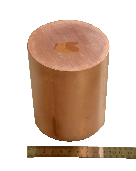
Shape, size, weight and structure of ingots:
|
|||
|
Shape
|
Close to cylindrical
|
||
|
Diameter
|
88 – 93 mm
|
||
|
Height / Length
|
100 – 150 mm (typical 120 – 130 mm)
|
||
|
Weight
|
6000 – 8000 grams (typical ~ 6500 – 7000 grams)
|
||
|
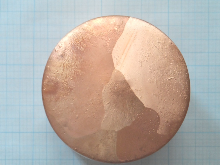
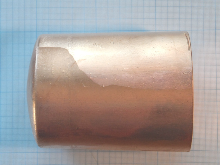
Crystal structure
|
Similar to a single crystal
|
||
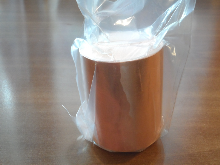
Packaging of ingots:

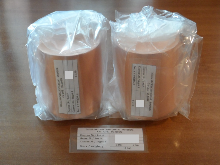

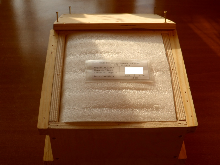
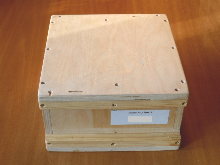
COMPARISON WITH CLASSIC COPPER
The predicted performance values are reasonable, but the lower values may be underestimated. There are studies that do not contradict the predictions, as well as considerations arising from our technology.
|
SUPER-PURE OXYGEN-FREE COPPER compared to classic oxygen-free copper and CG-OFC
|
||||||||||||||
|
|
||||||||||||||
|
Complete purity
|
Metal base
|
Charactiristics
|
||||||||||||
|
Cu OF
|
Brands
|
Cu
|
Cu+Ag
|
Cu
|
Cu+Ag
|
% IACS
|
RRR 4.2K
|
λ 4.2K
|
λ 4.2K / λ 293K
|
% «Max»
|
||||
|
Min, %
|
~
|
~
|
~W /m*K
|
~
|
~
|
|||||||||
|
Classic
|
||||||||||||||
|
-- Pure
|
М0б, С10200, C1020, Cu-OF ...
|
99.95
|
99.97
|
99.95
|
99.97
|
100
|
100
|
400
|
1
|
1
|
||||
|
-- High-pure
|
М00б, С10100, C1011, Cu-OFE ...
|
99.99
|
99.992
|
99.991
|
99.993
|
102
|
250
|
1500
|
4
|
2 -- 3
|
||||
|
For cryogenics
|
CG-OFC Hitachi Cable Ltd
|
99.99+
|
99.99+
|
99.99+
|
99.99+
|
102+
|
500
|
3000
|
7.5
|
3 -- 6
|
||||
|
1
|
---------------
|
---------------
|
1
|
---
|
---
|
---
|
---
|
1
|
---
|
---
|
---
|
---
|
1
|
---
|
|
Ultra-pure
|
--
|
99.999
|
--
|
>103.0
|
>1000
|
>7500
|
>15
|
> 10 -- 15
|
||||||
|
Super-pure
|
Standard+Ag
|
99.9993
|
99.9997
|
99.9995
|
99.9999
|
|||||||||
|
Standard
|
99.9995
|
99.9997
|
99.9997
|
99.9999
|
||||||||||
|
Standard +
|
99.9997
|
99.9997
|
99.9999
|
99.9999
|
||||||||||
|
104 -- 105
|
4000 -- 15000+
? |
15000 -- 35000+
? |
35+ -- 85+
|
30 -- 70+
|
||||||||||
|
Extra
|
99.9997
|
99.9997
|
99.9999
|
99.99993
|
||||||||||
|
Extra+
|
99.9997
|
99.9998
|
99.99995
|
99.99997
|
||||||||||
|
Extra 7N
|
99.9998
|
99.9998
|
99.99999
|
99.99999
|
||||||||||
|
Extra 7N5
|
99.9998
|
99.9998
|
99.999995
|
99.999995
|
||||||||||
|
% «Max» - approximate % of possible technological values RRR=20 000 and "corresponding" Thermal Conductivity "50 000+ W /m*K ?"
|
||||||||||||||
|
Complete purity according to GOST 859 and ASTM B170: "100% - {16 elements: metals P, Mn, Fe, Ni, Zn, As, Ag, Cd, Sn, Sb, Pb, Bi + non-metals O, S, Se, Te}". The stated chemical purity values are minimum values that can be verified using "not the best, but slightly above average" suitable methods and qualifications. For more details, see the sections "Products". ! Oxygen is measured and calculated as Limit LMS="O<2 ppm." It can be <0.1- <1 ppm; the technology allows this; more suitable measurement methods are required.
! Recently, the first results of a more in-depth measurement of some gas-forming impurities were finally obtained. In two "average samples" at completely different stages of the process cycle, oxygen was measured at 0.3-0.4 ppm, while the gas-forming impurities H, O, N, and C combined were no more than 0.6 ppm. This is already close and acceptable to our expectations. Perhaps it's good that oxygen is not <0.1 ppm; this explains and confirms some of the findings, at least for the "average and lower samples." |
||||||||||||||
|
% IACS - electrical conductivity relative to standard
RRR 4.2K - relative residual resistance ( RRR 4.2K=R 293K /R 4.2K - how many times does the resistance decrease at 4.2K ) λ 4.2K - Thermal conductivity at 4.2K ; λ 4.2K / λ 293K - the ratio of Thermal conductivity at 4.2K to Thermal conductivity at 293K ( 20 C ) |
||||||||||||||
TO INTERESTED PARTIES
Our product is not a laboratory sample, and we can immediately offer a limited quantity and discuss cooperation. This product is of the highest quality and is likely the best, or one of the best, in the world in terms of chemical purity and physical properties.
|
For interested persons/companies :
|
||||
|
|
||||
|
|
|
|||
Site is under
development